
My Story
My journey into hormonal health is both deeply personal and highly professional.
Long before I ever trained in functional medicine, I was already living the questions that would later define my work.
My hormonal struggles started early. As a teenager, my periods were often debilitating — the pain could be so intense that I would vomit. At times, I went months without a cycle. At just 16, I was prescribed the Oral contraceptive pill to regulate my hormones.
At the time, I thought this was the solution.
I didn’t know then what I know now: that hormonal contraception can influence gut health, nutrient status, and biochemistry in ways that may affect far more than the menstrual cycle. For example, it can deplete nutrients such as vitamin B6, which plays an important role in neurotransmitter production, impacting mood, resilience, and nervous system function.
But this was only the beginning.
Over the years, my health journey became more complex.
I experienced fertility struggles, multiple rounds of IVF, and five miscarriages. Those years were filled with hope, fear, heartbreak, and profound grief.
I also experienced the immense gift of becoming a mother to two beautiful children — something I will never take for granted.
Motherhood brought joy, but it also brought a level of stress and depletion I had never anticipated.
By the summer of 2012, I had reached breaking point.
I was exhausted, sleep deprived, constantly stressed, overweight, inflamed, in pain, and emotionally depleted. My thinking felt cloudy. My patience was gone. Joy had disappeared.
I called it FLC Syndrome: Feel Like Crap Syndrome.
My daughter cried constantly. I was surviving on convenience foods, running on empty, and wondering how other mothers seemed to manage life so effortlessly while I was barely holding everything together.
I kept telling myself what so many women tell themselves:
Other women manage. Pull yourself together. Keep going.
Conventional medicine offered symptom management — painkillers, quick fixes, reassurance that this was simply part of being a busy mother.
But deep down, I knew something wasn’t right.
I refused to believe this was simply “normal,” or something I had to accept because of age, stress, motherhood, or hormones.
I knew my body was trying to tell me something.
And that changed everything.
I began searching for answers beyond conventional medicine.
That search led me into the world of functional medicine and root-cause resolution.
I trained through The School of Applied Functional Medicine and dedicated years to understanding the deeper systems that drive health: hormones, metabolism, gut health, inflammation, detoxification, the nervous system, and mitochondrial function.
Initially, I did this to heal myself.
What I discovered transformed my life.
I learned something that has become the foundation of my work:
The body is not broken. Symptoms are signals.
Fatigue, brain fog, anxiety, stubborn weight gain, overwhelm, poor sleep, low mood, urinary symptoms, chronic pain — these are not random failures.
They are messages.
Messages that something in the system is out of balance.
As I addressed the root causes, everything began to change.
I became pain-free.
My energy returned.
My mental clarity improved.
I lost significant weight and felt stronger than I had in years.
Most importantly, I felt like myself again.
I could laugh again.
I could enjoy motherhood again.
I felt resilient.
And I knew this approach was too powerful to keep to myself.
So I began helping other women do the same.
Then came another turning point.
Perimenopause.
Despite all my training and everything I had learned, I found myself blindsided.
I had already resolved so many health issues, so when fatigue, brain fog, anxiety, pain, emotional depletion, and weight gain slowly returned, I felt deeply confused.
How could this be happening again?
Why did I feel so unlike myself?
I started digging deeper into the science of hormonal changes during midlife.
What I found shocked me.
Even in 2026, despite enormous medical advances, the level of education, research, and clinical understanding around female midlife physiology remains astonishingly limited.
We send astronauts around the moon, yet millions of women are still being told that debilitating symptoms during perimenopause are simply something they need to tolerate.
That was unacceptable to me.
It became painfully clear that women in midlife are being underserved.
Too many are offered only two extremes:
- “Your labs are normal, so nothing is wrong.”
- Or: “Here is medication for the symptom.”
Sometimes Hormone replacement therapy can be life-changing — and I strongly value its role.
But hormones are rarely the whole story.
For many women, persistent symptoms are driven by a complex interplay between hormones and deeper root causes such as:
- chronic stress and nervous system dysregulation
- blood sugar instability
- inflammation
- gut dysfunction
- nutrient deficiencies
- poor detoxification capacity
- mitochondrial dysfunction
This is why I now dedicate my work to helping women in perimenopause and menopause move beyond symptom management into true restoration.
I support women who feel like they they lost their spark — even when they are doing “all the right things.”
Women who are often high-functioning on the outside, yet exhausted, anxious, overwhelmed, and disconnected from themselves on the inside.
Women who want answers.
Women who want their life back.
Alongside working directly with clients, I also educate doctors and healthcare practitioners so they can better support women in midlife using a personalised, root-cause approach.
Because this is bigger than individual care.
The standard of care for women needs to evolve.
My mission is simple:
To help women understand their symptoms, restore balance across all body systems, and come back to themselves.
Because you were never meant to merely survive this phase of life.
Your body is designed for resilience.
And with the right support, it is absolutely possible to feel clear, energised, emotionally balanced, and strong again.
You do not have to accept feeling exhausted, foggy, overwhelmed, or unlike yourself as your new normal.
There is another way.
And I’m here to help you find it.
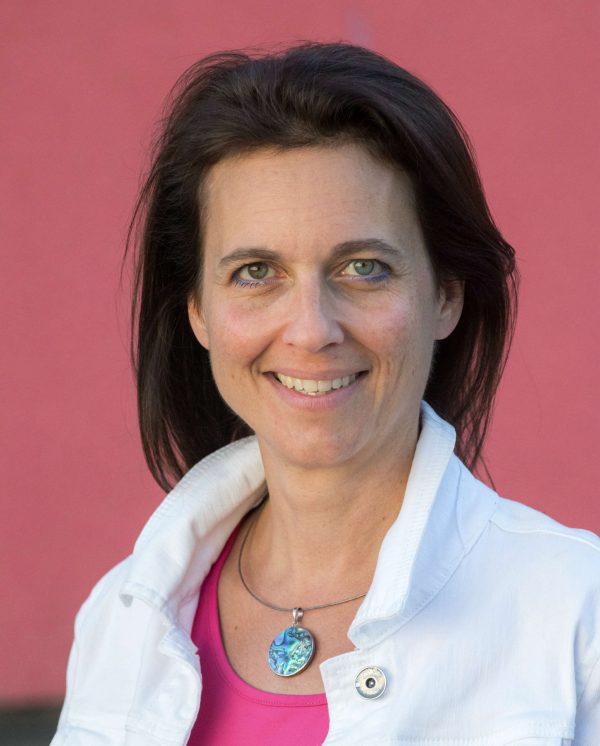
Clinical & Professional Background
- Certified Functional Medicine Consultant, trained at School of Applied Functional Medicine
- Educates doctors and healthcare practitioners in functional & genetic testing
- Practitioner Account Manager at Nordic Laboratories & dnalife
- 8+ years clinical experience in complex chronic and hormonal health cases
- Specialist in perimenopause and persistent symptoms despite HRT